Welcome to our new subscribers! Thank you for your support. Here’s a quick run down of what’s happening at invisible art space and nearby
::: NOW :::
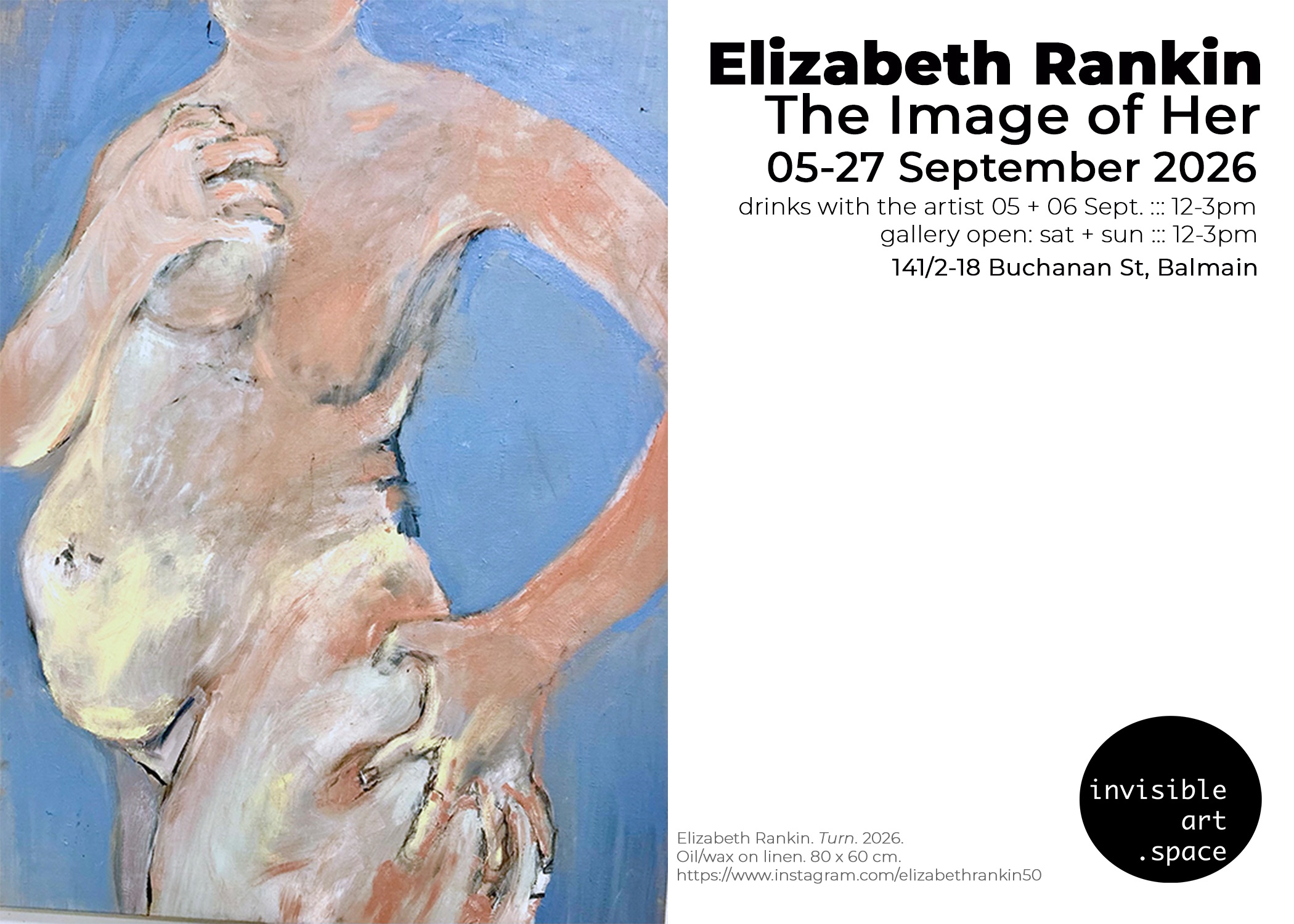
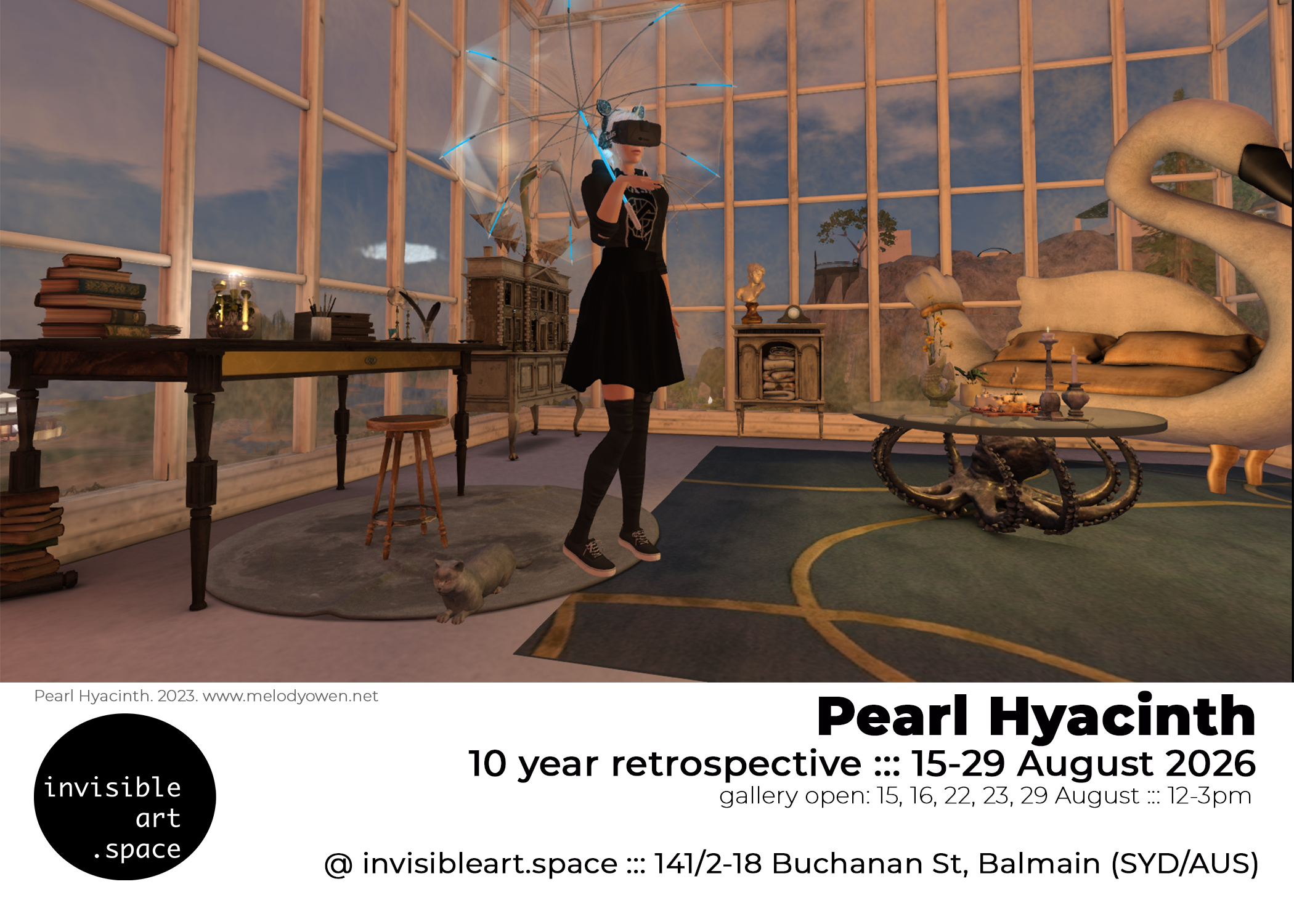
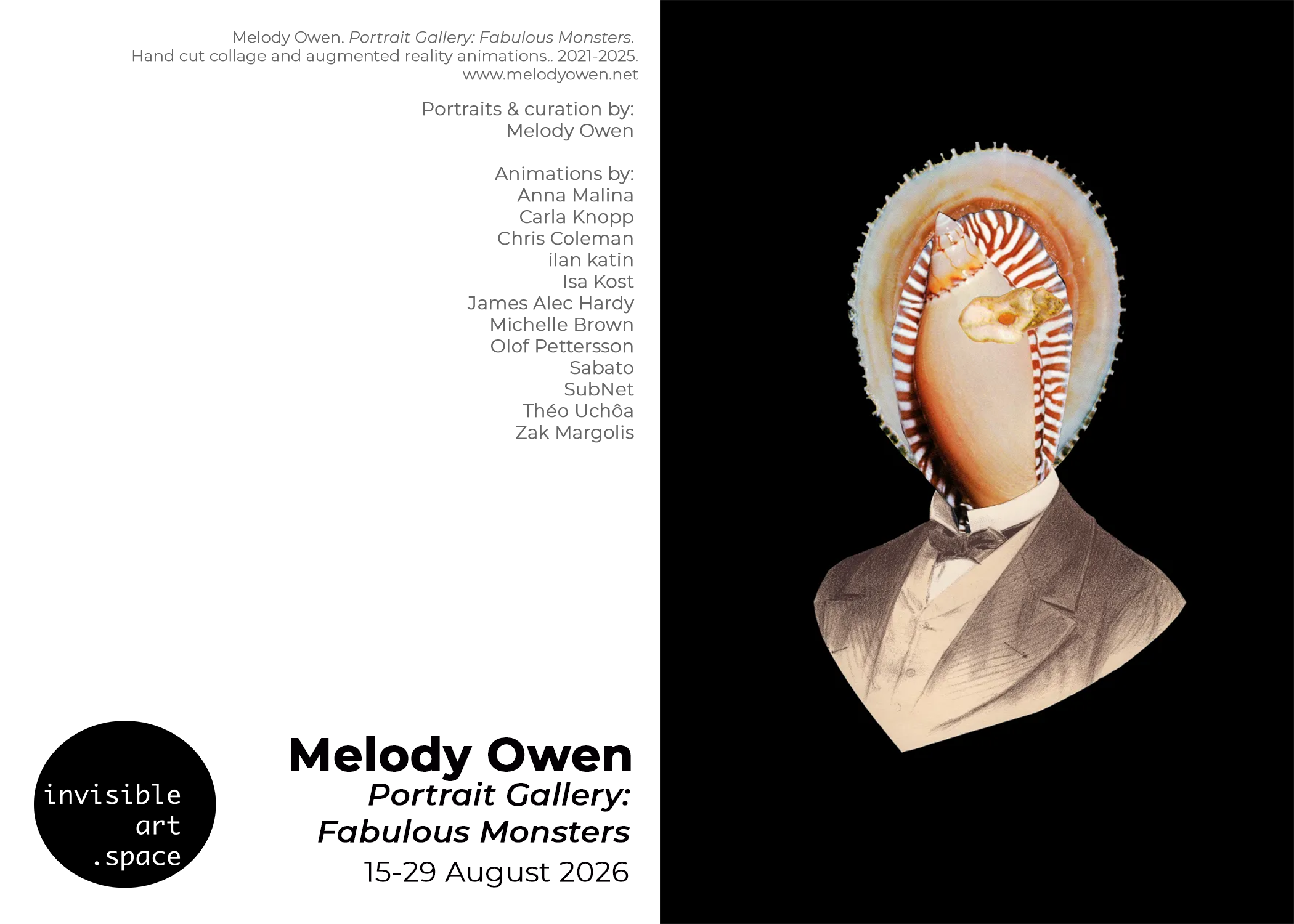
Thanks to all the visitors for Melody Owen // Pearl Hyacinth’s recent exhibition both in gallery + in virtual world space / Second Life + Elizabeth Rankin’s current exhibition. It’s been great to catch up, see these artists’ works, chat about art (in person and virtually) and support both of their work. Their roomsheets, artist info + more are available via the links, or visit the website and view their exhibition articles.
This coming weekend, 26-27 September from 12-3pm, is the final chance to see Elizabeth’s exhibition
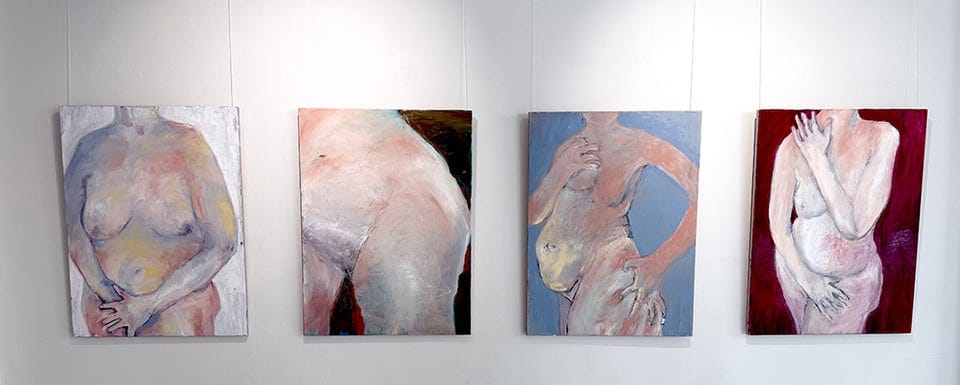
Elizabeth Rankin. The Image of Her exhibition (selected works, install view). 2026
::: NEXT :::
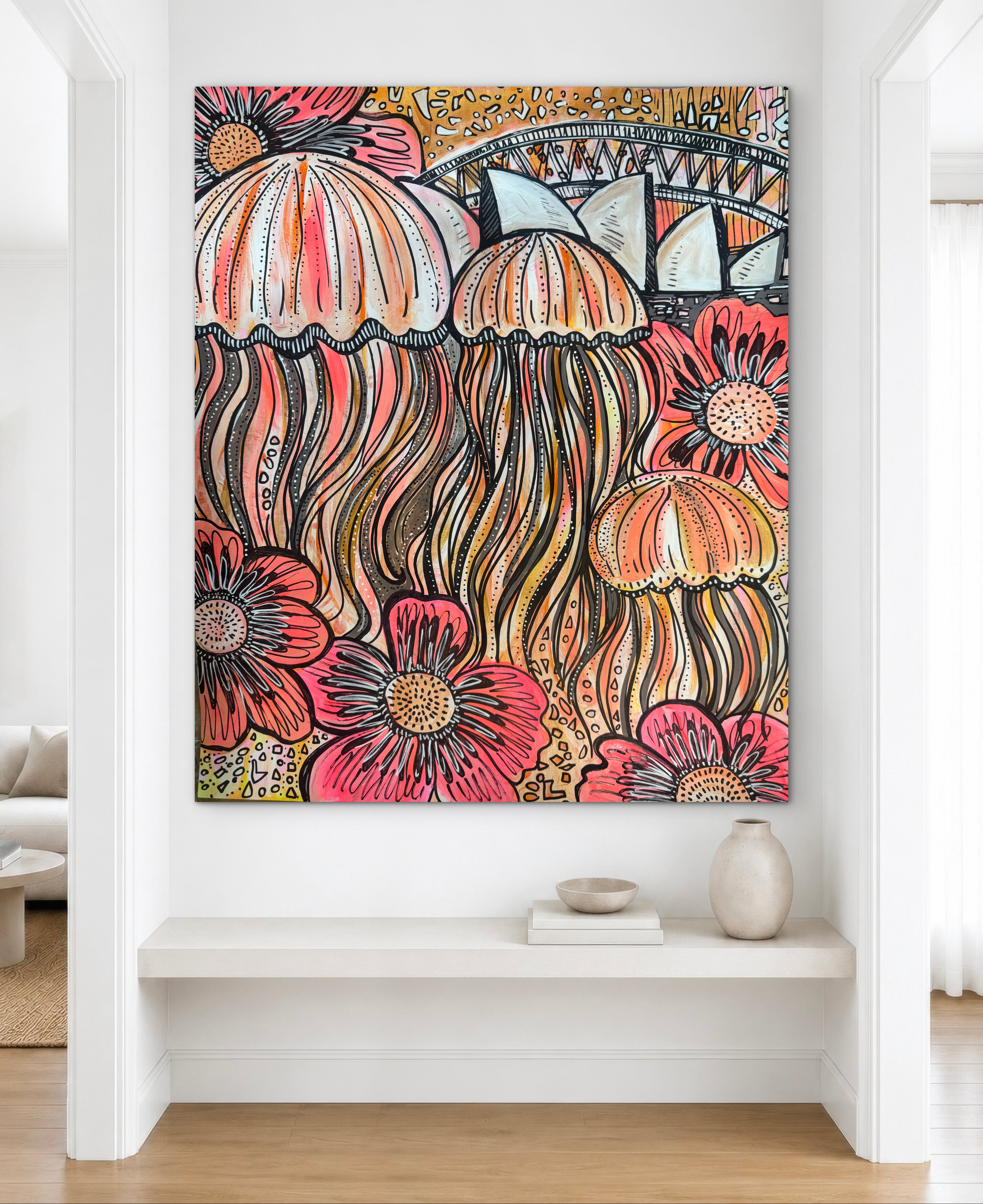
We’re installing next week for Queensland artist, Katie McErlean’s Jelly exhibition, residency and school holiday workshops for kids + adults, running from 30 September - 07 October inclusive.
Katie is a good friend who I’ve known since our days working at a FTA TV station in Brisbane in the late 1990s/early 2000s, where she worked in the graphics department, creating graphics for nightly News and other Production programs using Quantel Paintbox and other machines/tools as well as graphics for Newspapers in Sydney. Speaking of which.. Paintbox is having a resurgence with international digital artists these days and the 2025 Paintboxed exhibitions in NYC & Basel etc.
Katie’s been an artist for longer than I’ve known her and is well known for her colourful, expressive impasto works, including many ocean-related themes. Getting back into exhibiting mode following years of running kids art making workshops, we’re looking forward to welcoming her to Balmain/Sydney! Katie always brings the fun — you can expect the gallery to be filled with Jellyfish themed artworks during her visit! There’s still time to book in for workshops if you’re looking for fun activities to do over the break. We’ll be setting up a couple of immersive experiences for visitors during her residency, keep an eye out for photos on the socials. More details on the website
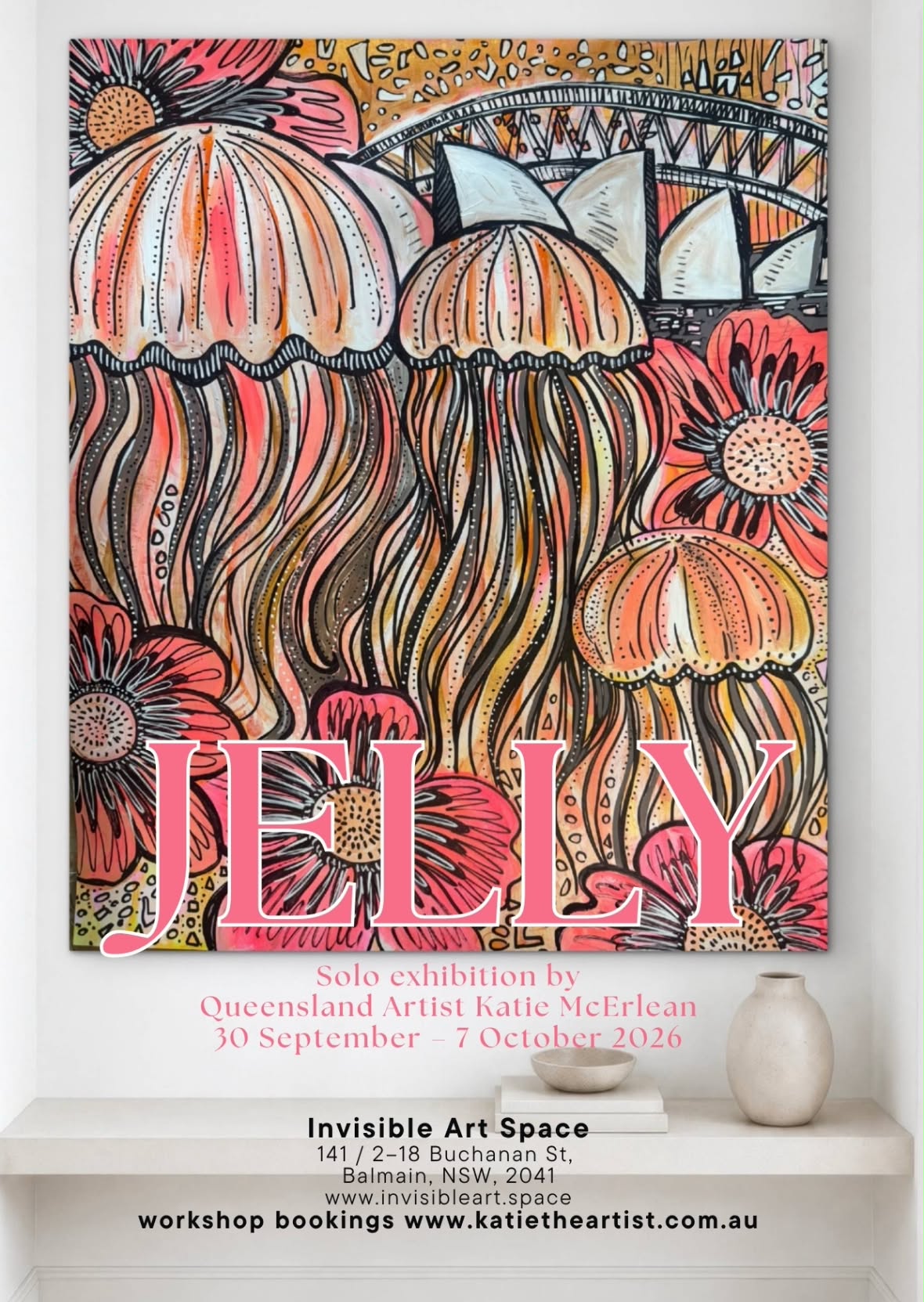
Katie McErlean. Jelly exhibition invite. 2026
::: SOON :::
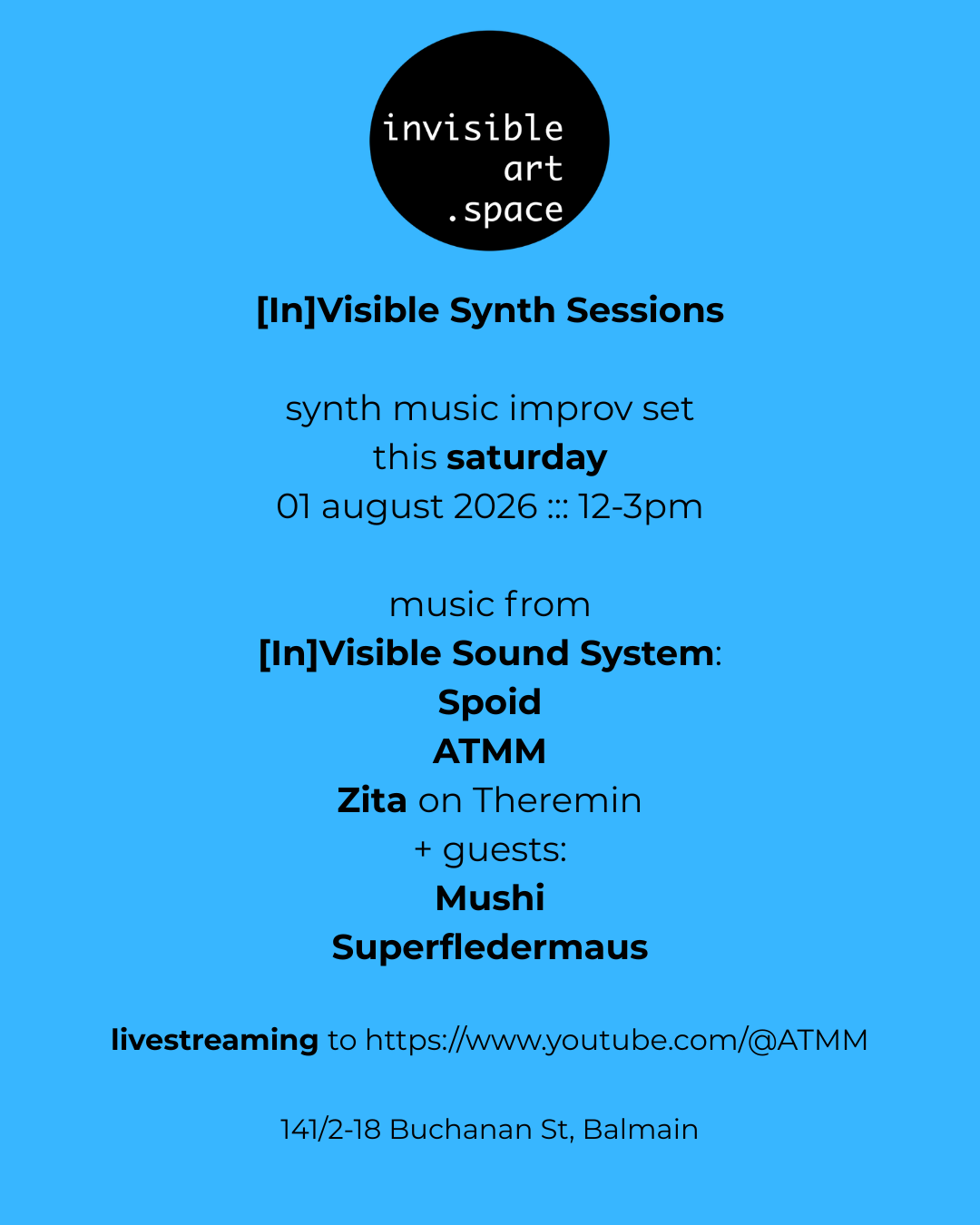
01 November 2026 ::: [In]Visible Sound System @ [In]Visible Synth Sessions #7 -> improv synth sounds ::: music from Spoid, ATMM, Zita on theremin + razzaton. Keep an eye out for the livestreaming details closer to the time and you can tune in to their performance remotely. We’ve heard a preview of razzaton’s ambient soundscapes which will pair perfectly with the ISS sounds. All being well, there’ll be more gigs in December (TBC)
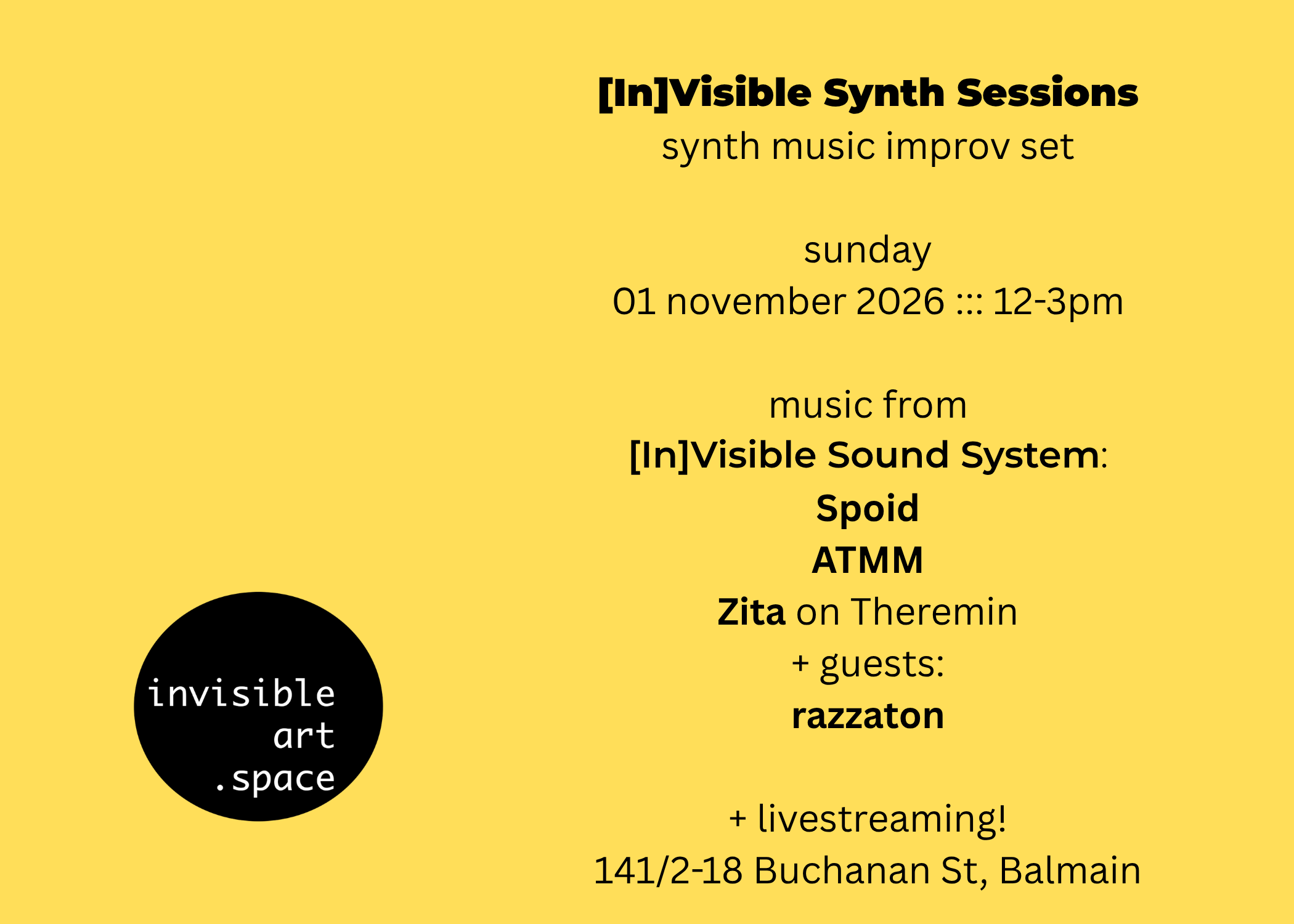
[In]Visible Synth Sessions #7
:::
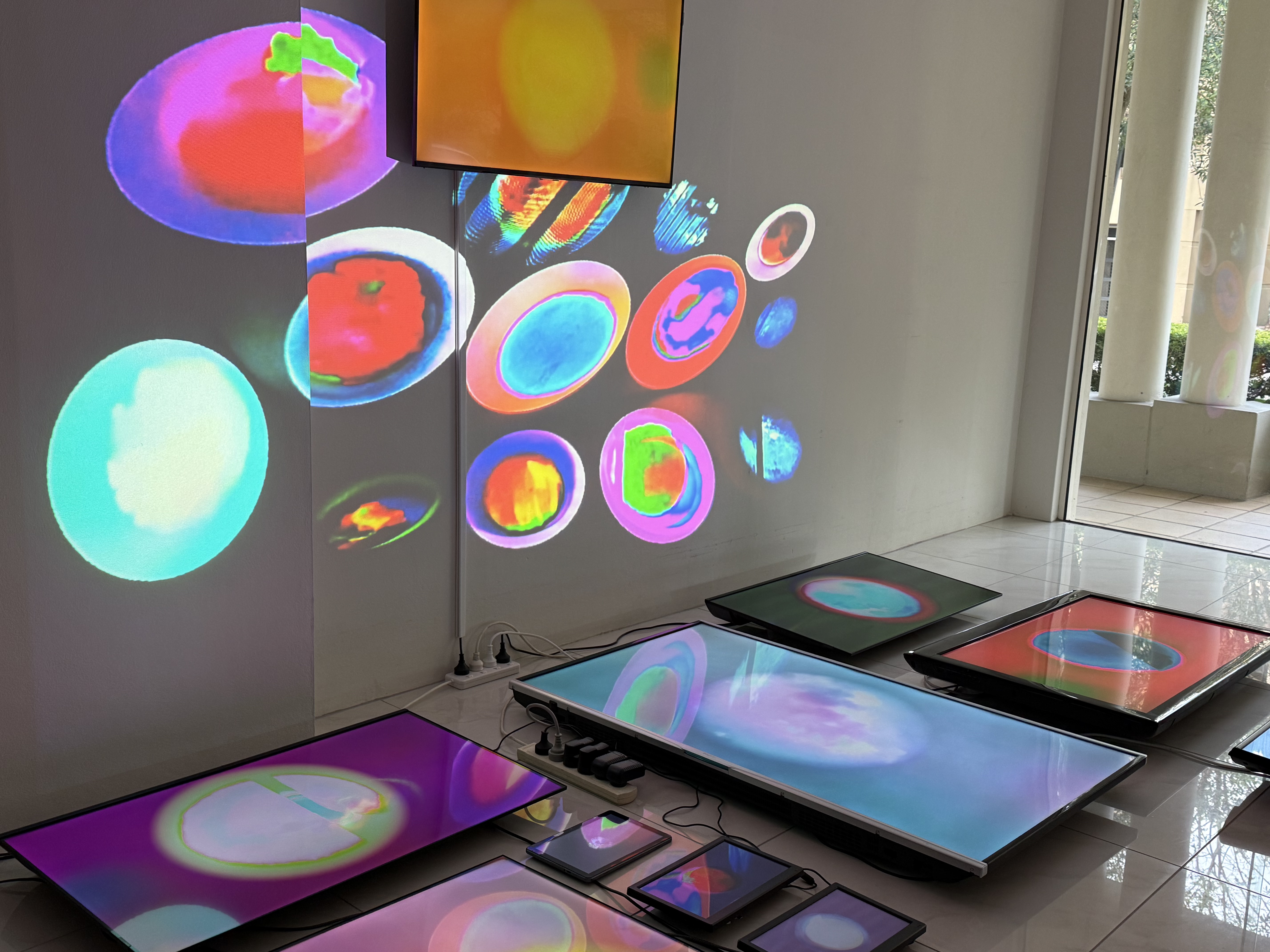
02-28 November 2026 ::: Emily Simek (Mel) and Shelley Watters (Syd) collaborative studio residency → composting as methodology. I’m looking forward to seeing what will be created as part of Emily and Shelley’s residency — possibly some textiles, prints, video? + more
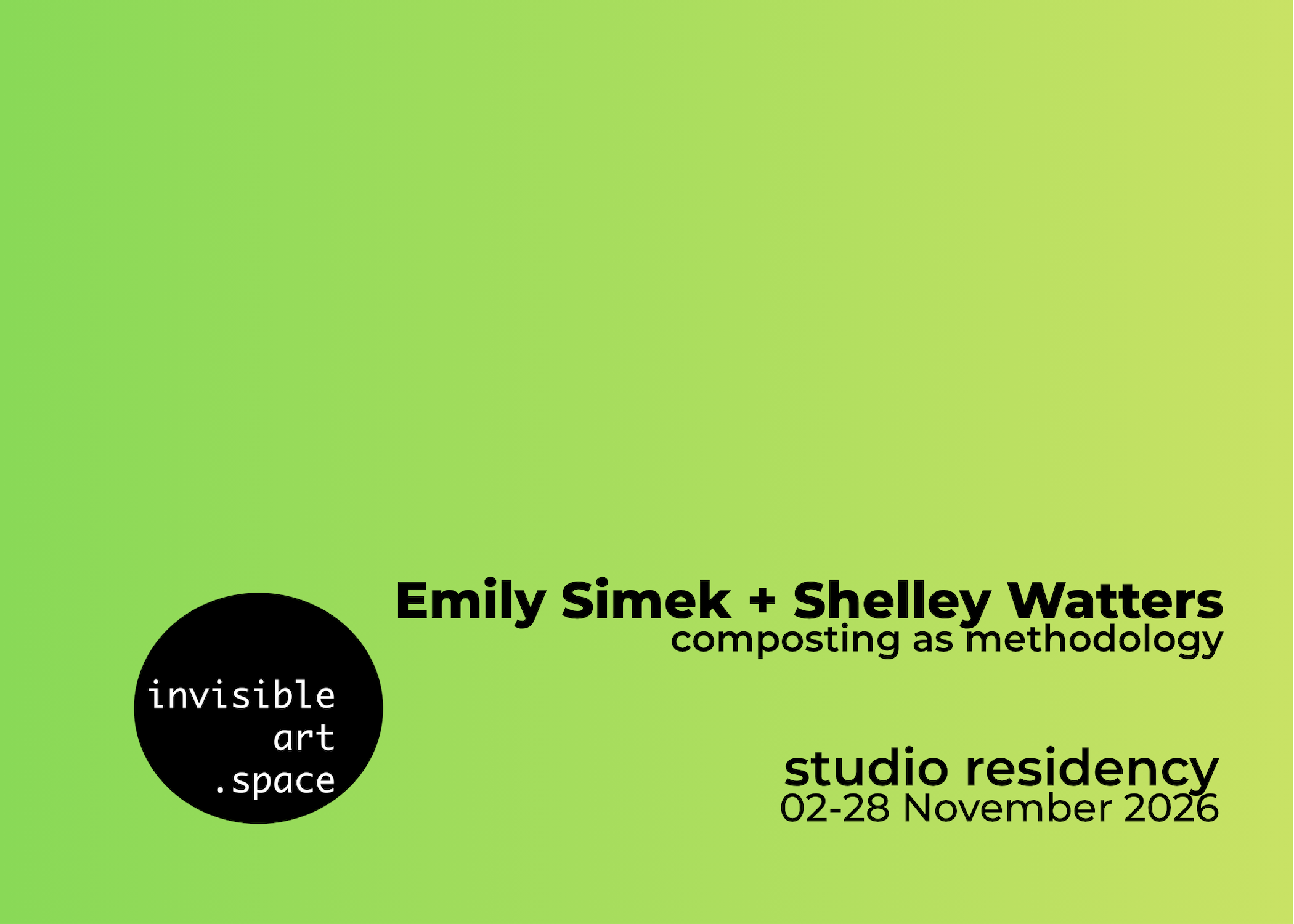
Emily Simek + Shelley Watters. Composting as Methodology studio residency
::: LATER :::
February is shaping up to have a couple of exciting exhibitions from international artists during their Sydney visits:
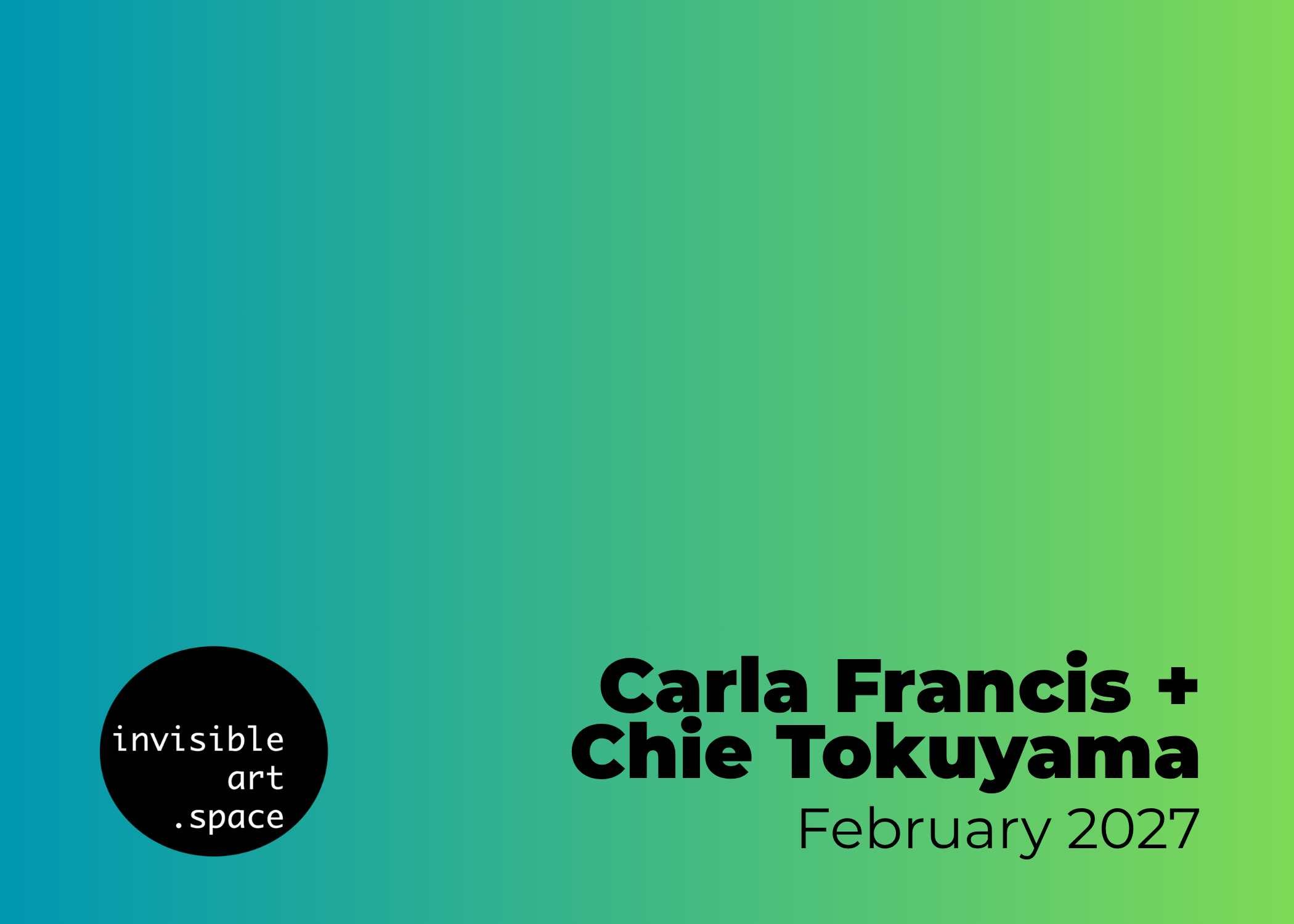
February 2027 ::: Chie Tokuyama (Japan) + Carla Francis (writer) -> a collaborative exhibition of paintings and written works considering the Japanese concept of ichigo ichie and how chance meetings and unexpected encounters, particularly across cultures, can fundamentally change the trajectory of a person’s life
February 2027 ::: Chie Tokuyama (Japan) -> solo painting exhibition
::: GENERAL NEWS :::
- south, a decentralised exhibition taking place in multiple Southern Hemisphere / Global South / South-identifying places is postponed until 2027 so we can work with more locations and take time to prepare (plus some infrastructure work is taking place in october at the gallery)
- planning is underway for 2027 invisible program of exhibitions and events. If you have an idea for an exhibition/curation, let’s chat (our rates are quite reasonable, for Sydney)
- https://www.invisibleart.space website has been updated — there’s a new custom theme/look for the site. Current and upcoming shows have a page for their info, and previous shows’ articles are being added over the coming weeks
- tshirts! we have invisible tshirts, in black — at least these will be my new summer uniform. If anyone’s interested in grabbing one, please reach out
- call for interest: we’re hoping to host Writers Bloc Balmain sessions, depending on interest (possibly late 2026, otherwise in 2027). These sessions are for writers to come along and write quietly, with others. Geoff Orton does a great job running this site/project — see https://thewritersbloc.net/write-here. You may have joined/seen the previous Sydney sessions at 107 Projects in Redfern. There’s also online sessions for those wishing to join in from home. See info on the WB website. If this is of interest, please reach out or post a note on the writers bloc site. If I join in, I may actually make progress on the invisible POD/PDF catalogs I keep dreaming of..
Have a great month and see you out and about soon. Feel free to share this newsletter, it’s the best way to find out what’s coming up, in one place
https://buttondown.com/invisibleart.space
https://substack.com/home/post/p-217047786